Climate Change and Adaptation in Ghana: Building Resilience for the Future
Climate change has emerged as one of the most pressing global challenges of the 21st century, affecting ecosystems, economies, and communities worldwide. Ghana, like many other countries in West Africa, is experiencing significant impacts of climate change, from rising temperatures to irregular rainfall patterns. These changes threaten agriculture, water resources, health, and overall economic development. Addressing these challenges requires a proactive approach through climate adaptation strategies.
Impacts of Climate Change in Ghana
Ghana’s economy is heavily dependent on climate-sensitive sectors such as agriculture, forestry, and fisheries. Some of the key impacts of climate change in the country include:
- Agricultural Disruptions: Changes in rainfall patterns and increased frequency of droughts negatively affect crop yields, particularly for staples like maize, cocoa, and rice. This threatens food security and the livelihoods of millions of farmers.
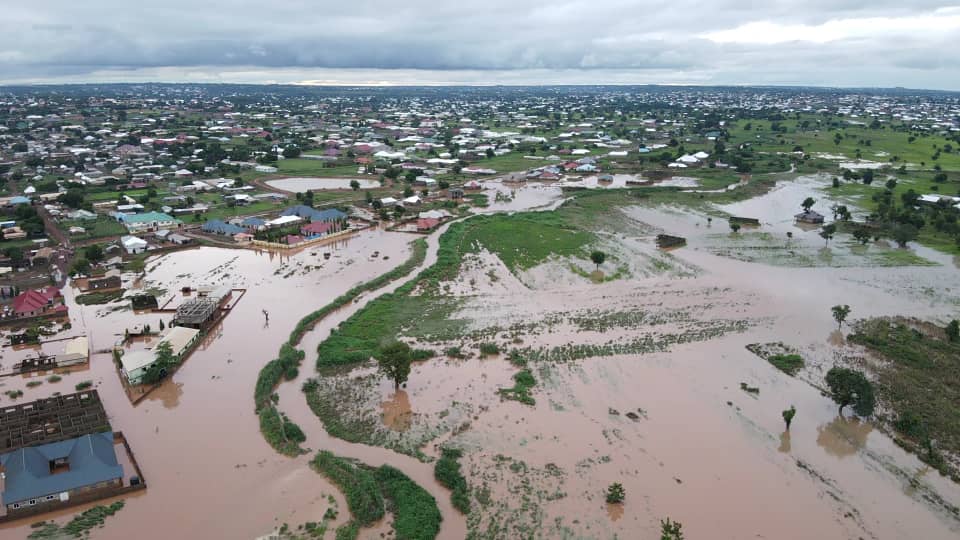
- Water Scarcity and Flooding: Irregular rainfall has led to both water shortages and seasonal flooding. Northern Ghana experiences droughts, while coastal areas face rising sea levels and flood risks.
- Health Risks: Climate change exacerbates health challenges by increasing the prevalence of diseases such as malaria and cholera, often triggered by flooding and stagnant water.
- Environmental Degradation: Forests, wetlands, and coastal ecosystems are under stress due to shifting climatic conditions, threatening biodiversity and natural resources.
Climate Adaptation Strategies in Ghana
To mitigate these impacts, Ghana is implementing adaptation strategies aimed at building resilience across communities and sectors. Key approaches include:
- Sustainable Agriculture: Farmers are adopting climate-smart agricultural practices such as drought-resistant crops, improved irrigation systems, and agroforestry to reduce vulnerability to climate shocks.
- Water Resource Management: Efforts are being made to improve water storage, rainwater harvesting, and flood control systems to ensure a reliable water supply throughout the year.
- Coastal Protection: In vulnerable coastal communities, measures like mangrove restoration, sea walls, and improved urban planning help reduce the risks of sea-level rise and coastal erosion.
- Community Awareness and Education: Programs that educate local communities about climate risks, early warning systems, and sustainable practices empower people to take proactive steps in adapting to changing conditions.
- Policy and Institutional Support: The Ghana Climate Change Policy and the National Adaptation Plan provide a framework for coordinated action across government, civil society, and private sectors. These policies guide investments in resilient infrastructure, agriculture, and disaster risk reduction.
The Role of Technology and Innovation
Technology plays a crucial role in climate adaptation. Remote sensing, satellite data, and climate modeling help predict extreme weather events and inform timely interventions. Mobile platforms provide farmers with real-time weather forecasts, market information, and agricultural advice, reducing vulnerability and improving resilience.
Conclusion
Climate change is no longer a distant threat; it is a current reality in Ghana. While its impacts are complex and multifaceted, proactive adaptation measures can significantly reduce vulnerability, enhance food security, protect ecosystems, and safeguard livelihoods. Collaboration among government, communities, researchers, and international partners is essential to build a resilient Ghana that can withstand the challenges of a changing climate.
By embracing climate adaptation strategies today, Ghana can ensure sustainable development and a healthier environment for future generations.